


The GEAC in the Media

Ships stranded by war could cause marine ‘superspreader’ event, study warns
The Washington Post
Scientists warn of unintentional risks from idle ships sitting for months in the Strait of Hormuz.
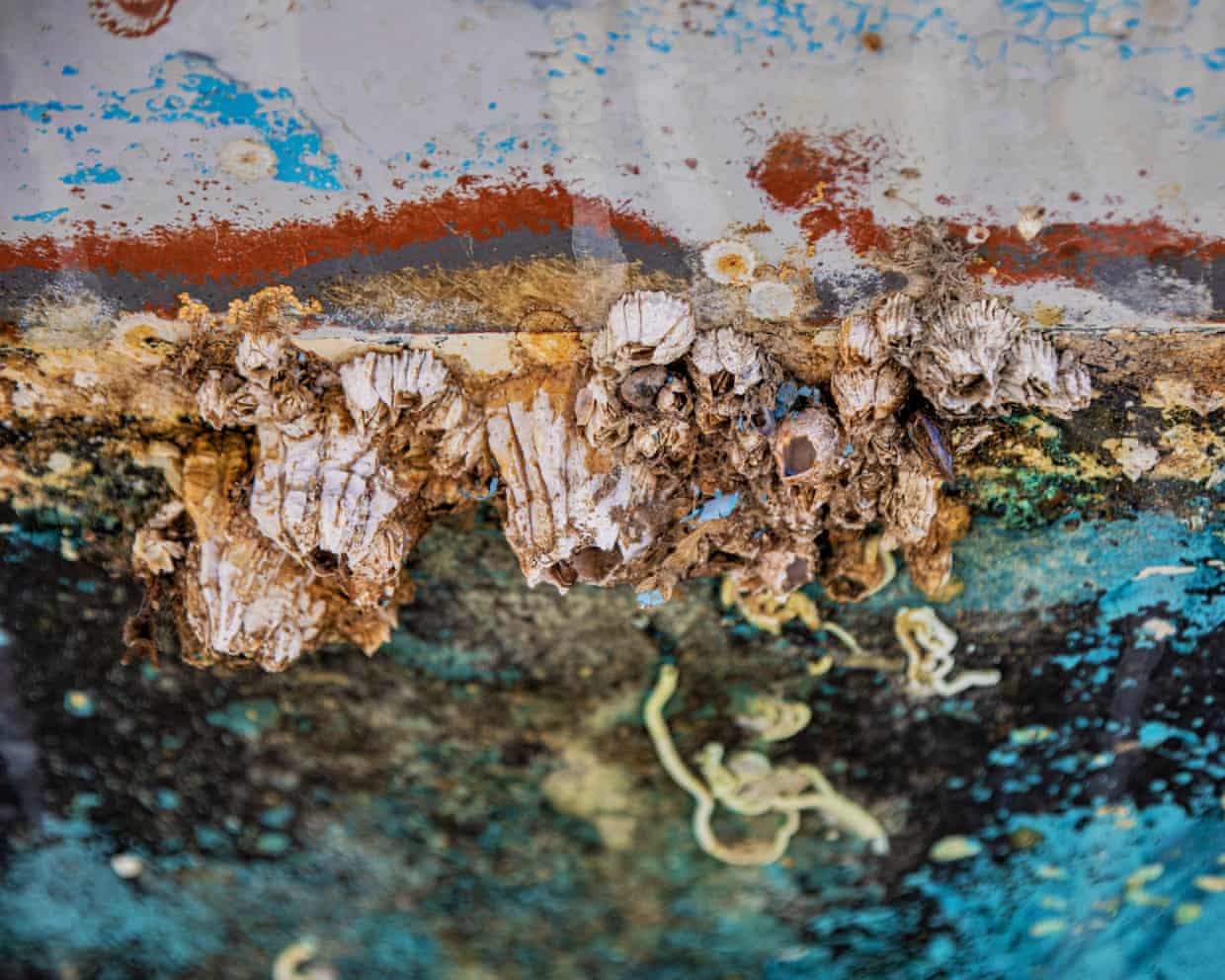
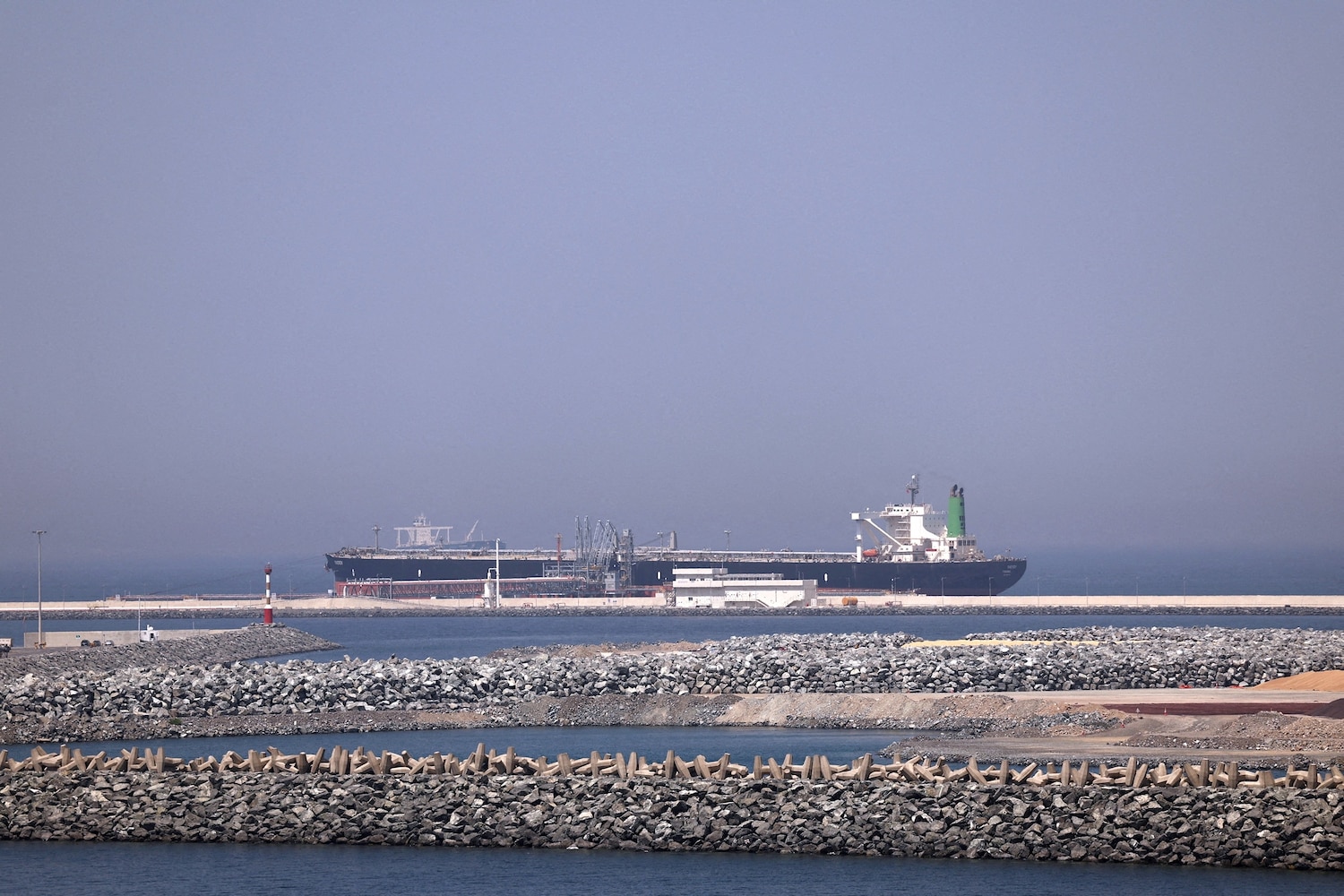
New research warns that thousands of ships stranded for months by the ongoing war with Iran and the closed Strait of Hormuz could result in “a massive marine invasive species event.”
New global report reveals the existence of 3,500 harmful invasive species
CONICET
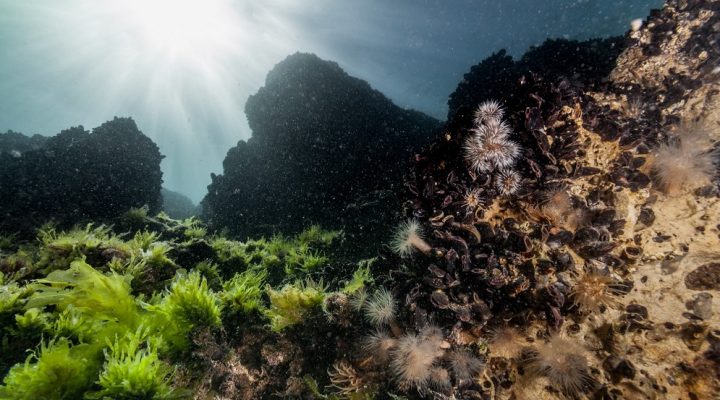
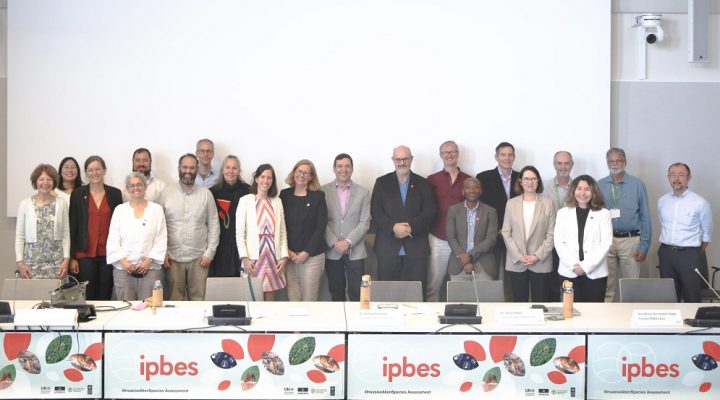
A group of 86 scientists from the Intergovernmental Science-Policy Platform on Biological Diversity and Ecosystem Services (IPBES) carried out a report that reveals the existence of 3,500 harmful invasive alien species, which seriously threaten nature, the contributions of nature to people and good quality of life. This “Assessment Report on Invasive Exotic Species and their Control” was prepared by experts from 49 countries who worked for more than four and a half years and was authored by five scientists from CONICET: Evangelina Schwindt, from the Institute of Biology of Marine Organisms (IBIOMAR, CONICET); Carolina Morales, Victoria Werenkraut and Martín Núñez, from the Biodiversity and Environment Research Institute (INIBIOMA, CONICET-UNCo), and Romina Fernández, from the Institute of Regional Ecology (IER, CONICET-UNT).
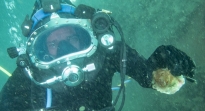
The Japanese oyster, an exotic invasive species in waters of the Nuevo Gulf
FAO
Argentina tests the protocol for rapid detection and early action of invasive exotic species in ports and surrounding areas, developed within the framework of the project Strengthening governance for the protection of biodiversity through the formulation and implementation of the National Strategy on Exotic Species Invasive (ENEEI).
:quality(85)/s3.amazonaws.com/arc-wordpress-client-uploads/infobae-wp/wp-content/uploads/2019/07/05163643/Ostras-Exoticas-AYM-JPG-7.jpg)
Environmental alert: an exotic Japanese oyster threatens underwater biodiversity in Puerto Madryn
Infobae
It is called Crassostrea gigas and was discovered some time ago by recreational divers in the Golfo Nuevo. Scientific organizations and the national State carry out a plan to tackle its expansion.

Empowering Research on Marine Bioinvasions to Support Conservation of Native Species and Ecosystems
Biodiversity Heritage Library
Dr. Evangelina Schwindt, director of the Ecology Group in Coastal Environments at CONICET in Argentina, studies Ascidiella aspersa as part of her research as a marine invasive ecologist. Her work involves investigating the interactions between invasive and native species, the patterns and processes that occur in biological invasions from historical and current perspectives, the impact caused by invasive species and the management strategies that can be applied.

Deconstructing ecological mirages with help from historic literature
Biodiversity Heritage Library
In the coastal ecosystem of South America, salt marshes are dominated by an iconic species, the flat-leaved spartina Spartina alterniflora. This species is an ecosystem engineer that shapes the evolution of the world's coastal environments. For more than a decade, Bortolus and his colleagues have examined the historical records of early settlers and naturalists, concluding that S. alterniflora was actually introduced to South America.

Iconic whaler is dedicated to education and environmental conservation
Energy Press
The iconic whaling ship Charles W. Morgan is once again floating in the waters of the North Atlantic as it turns 172 years old. But his destiny will no longer be to chase whales. The restorers have reinvented the Morgan (as it is known locally) to be an efficient educational tool on maritime history and environmental conservation.


Science aboard the Frigate Libertad
En Madryn noticias
Researchers Evangelina Schwindt and Alejandro Bortolus, both scientists from Conicet and directors of the Ecology Group in Coastal Environments at Cenpat, spoke about the ecological, economic and social risks that the entry of invasive species into our coasts may entail and highlighted the importance of planning prevention measures and raising awareness. The talk on board the ship is part of a cultural outreach program that is given during the training trip aboard the Frigate.